
Ledger.com/Start® | Getting started®™ — Ledger Support
Ledger.com/start offers setup-focused information for configuring your device, organizing wallet accounts, tracking holdings, and managing transfers.
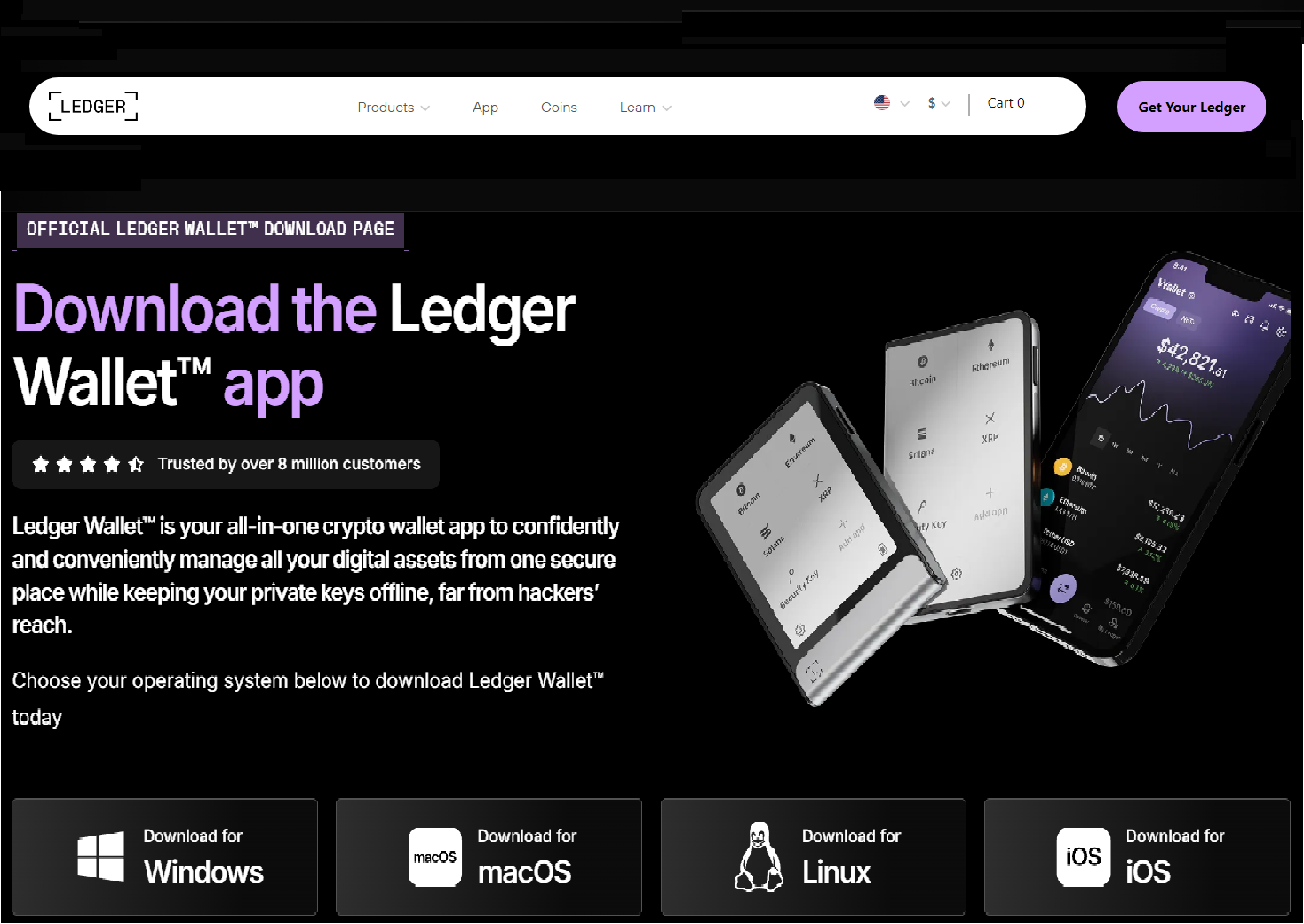
Ledger.com/start: Understanding the Essentials Before Managing Digital Assets
A hardware wallet can provide a different experience from a typical online wallet because important operations involve both software and a physical device. For beginners, learning the basic principles before transferring digital assets can make the setup process more manageable.
Ledger.com/start can act as an entry point for users preparing a Ledger hardware wallet and looking to understand the fundamentals of safe, organized wallet management.
Know Your Starting Point
Before doing anything else, make sure you are using an official Ledger resource.
Navigate directly to Ledger.com/start rather than depending on links supplied by unknown websites or online accounts. Be cautious of pages that use familiar logos or branding but have an unfamiliar website address.
Starting from a verified source reduces the chance of following incorrect setup instructions.
Choose a Reliable Computer
A trusted computer should be part of your preparation.
Use a device you control and avoid setting up your wallet on computers in public locations. Keep your operating system and normal security protections maintained.
You should also avoid installing software that is unrelated to the wallet setup.
Understand Wallet Architecture
It is useful to understand how the different parts of your setup interact.
The Ledger device is the physical component used during important wallet operations. Compatible wallet software provides a convenient way to view supported accounts and manage transactions.
The two work together, but they are not interchangeable. Learning this distinction can help you understand why the physical device remains important even when most account information is displayed on a screen.
Take Recovery Information Seriously
Your recovery information should be protected from the beginning.
Record it according to official instructions and keep it somewhere secure. Never share it with another person or enter it into an online form.
Avoid storing recovery words as photographs, screenshots, cloud documents, or ordinary notes on an internet-connected device.
If someone claims your wallet cannot be activated without giving them your recovery phrase, do not continue.
Learn the Basic Interface
After setup, spend some time exploring your wallet software.
Understand how accounts are displayed, where transaction history can be reviewed, and how receiving and sending functions work.
This learning period is useful because it allows you to recognize normal wallet behavior before you begin moving significant amounts.
Review Receiving Information
When receiving an asset, carefully check the address before sharing it.
Make sure the selected account and asset are correct. Where available, use your hardware wallet to verify important address information.
If you are new to the process, a small test transaction can help you become comfortable with how receiving works.
Develop a Sending Routine
Before sending cryptocurrency, create a repeatable verification process.
First check the destination. Then confirm the amount and selected asset. Review network information and fees when relevant.
Finally, carefully examine the information displayed on the Ledger hardware wallet before approving the transaction.
Do not let familiarity with the software cause you to skip this final review.
Be Alert to Fake Wallet Assistance
A person who knows you are having trouble with wallet setup may attempt to offer technical assistance.
Be cautious of unexpected messages from people claiming to be support agents. Do not provide your recovery words, passwords, or remote access to your computer.
If you need help, use official Ledger support resources and verify information independently.
Treat Software Updates Carefully
Wallet software may need updates from time to time, but update requests should be verified.
Do not install an application simply because an unexpected message says your account will be disabled otherwise. Navigate to official Ledger resources yourself and check the current instructions.
This habit can help you avoid malicious downloads disguised as wallet maintenance.
Keep Your Wallet Organized
Once your setup is complete, avoid unnecessary changes.
Know which wallet applications you use and obtain future software through trusted sources. Periodically review your transaction history so that unfamiliar activity is easier to notice.
Keeping a consistent environment can make wallet management more predictable.
Learn at Your Own Pace
You do not need to become an expert immediately.
Start with the essentials: understand the device, learn the software interface, protect recovery information, and practice transaction verification.
Once those fundamentals are comfortable, you can explore additional features according to your needs.
Final Thoughts
Ledger.com/start can provide a practical foundation for users beginning with a Ledger hardware wallet. A smooth setup depends on more than following installation instructions; it also requires understanding the hardware-software relationship and developing sensible security habits.
Use verified resources, protect recovery information, review transactions carefully, and approach unexpected support or download requests with caution. These fundamentals can help make everyday digital-asset management more organized and understandable.
Updated about 7 hours ago