
Ledger.com/Start® — Getting Started with Ledger Live™
Ledger.com/start provides practical resources for setting up your Ledger hardware wallet and organizing accounts, assets, and activity.
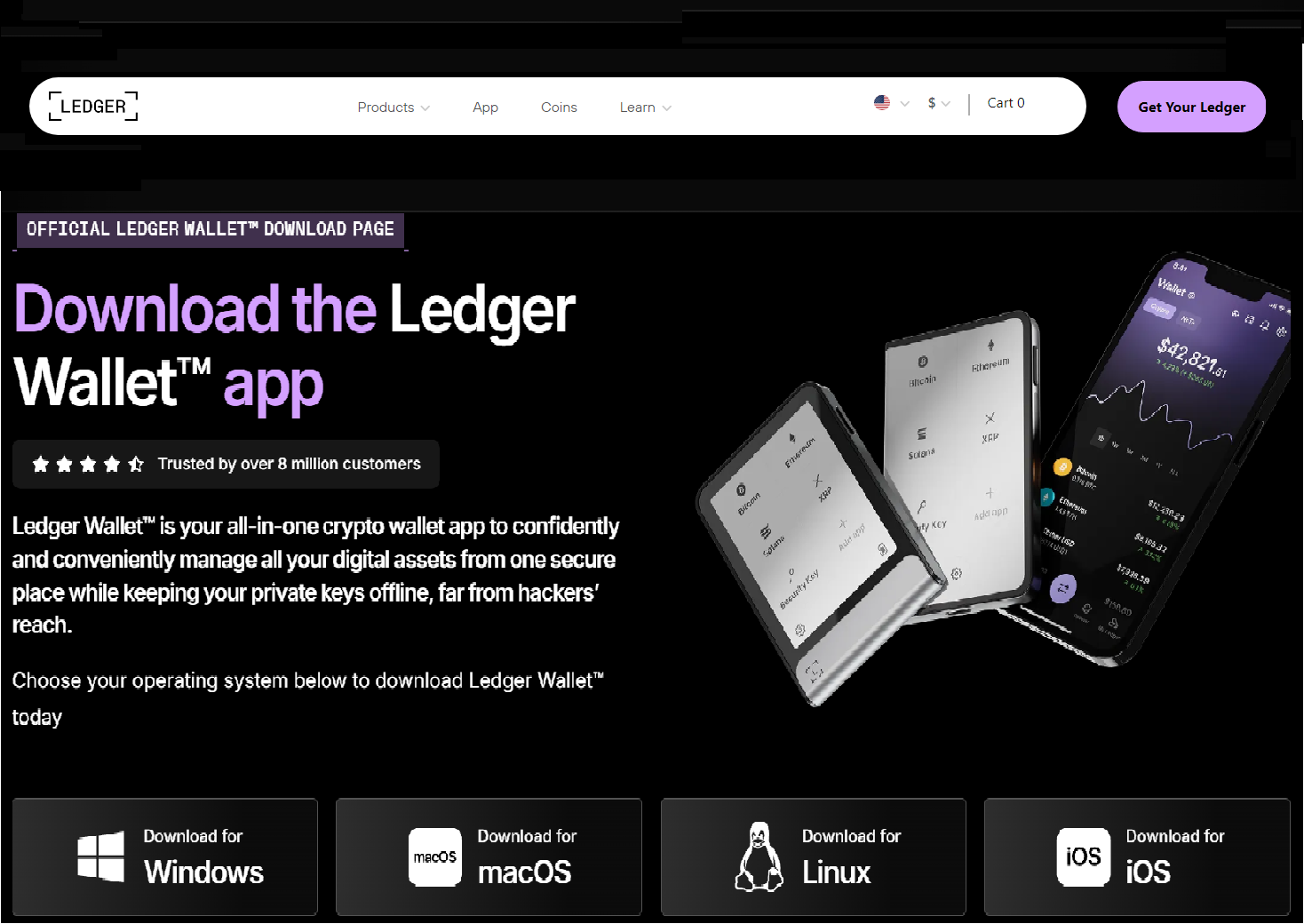
Ledger.com/start: How to Make Your Ledger Wallet Workflow Easier to Follow
Managing digital assets can become easier when every wallet session follows a familiar process. For someone new to hardware wallets, having a simple workflow can reduce confusion and make important security checks easier to remember.
Ledger.com/start can be used as a starting point for learning the basic Ledger wallet setup process and preparing for regular wallet activity.
Build a Familiar Starting Routine
Begin each important wallet session from a trusted environment.
Use a computer you control and access wallet software through a verified source. Avoid beginning sensitive activities from links received unexpectedly through messages or social networks.
A consistent starting point makes your workflow easier to recognize.
Know Where Your Information Comes From
Not every website discussing cryptocurrency is an appropriate source for wallet instructions.
Before following setup, update, or troubleshooting advice, verify that the information comes from an official Ledger resource or another source you have independently established as trustworthy.
This is especially important when a request involves software downloads or sensitive information.
Understand Your Accounts
Wallet users may eventually work with several accounts and assets.
Keep track of which accounts you use and understand what each one is intended for. Before beginning a transaction, confirm that you have selected the correct account.
Good organization can make everyday wallet activity much easier to follow.
Check Receiving Details
When someone is sending cryptocurrency to you, provide the appropriate receiving address.
Before sharing it, confirm the selected account and asset. Review the address carefully and use device verification when available.
Avoid relying on memory when copying or comparing long wallet addresses.
Review Sending Details
Sending requires a separate set of checks.
Confirm the destination, amount, asset, and network details. Pay attention to applicable fees and other information shown by your wallet software.
Then review the transaction on the hardware device before authorizing it.
Treat the Device Display as Important
A computer interface can make wallet management convenient, but the hardware device remains an important part of the approval process.
Do not automatically confirm a transaction because the computer screen looks familiar.
Read the details shown on the physical device and make sure they correspond with what you intended to authorize.
Keep Private Information Offline
Recovery information should not become part of your normal online workflow.
Keep it protected and private. Do not send it to support representatives, friends, websites, or online communities.
If you are asked to provide it unexpectedly, stop and verify the situation through an official channel.
Recognize Pressure Tactics
Unexpected urgency is a reason to slow down.
Messages that demand immediate action, threaten account problems, or instruct you to download unfamiliar software should be independently verified.
Rather than following the supplied instructions, navigate directly to official Ledger resources and check the information yourself.
Make Troubleshooting Deliberate
When a connection or software problem occurs, avoid changing multiple settings at once.
Identify the exact issue and follow the relevant official troubleshooting guidance. If the solution involves downloading software, confirm the source before installing anything.
Never let frustration lead to unnecessary security compromises.
Keep a Transaction Record
Regular users may find it helpful to maintain their own basic records.
Recording transaction dates, amounts, and relevant notes can make it easier to review activity later.
Your wallet's transaction history can also provide useful information when checking previous operations.
Review Your Workflow Periodically
As you gain experience, revisit your normal wallet process.
Consider whether you still verify addresses, review transaction information, protect recovery details, and use trusted software sources.
Small reminders can help keep good habits consistent.
Learn as Your Needs Grow
There is no requirement to master every wallet feature immediately.
Start with setup, accounts, receiving, sending, transaction confirmation, and basic security. Later, explore other features when they become relevant to your needs.
Learning progressively can make cryptocurrency management less overwhelming.
Final Thoughts
Ledger.com/start can help new users establish the basics of a Ledger wallet workflow. The experience becomes easier to manage when important actions follow a consistent pattern: start from trusted resources, select the right account, verify transaction information, protect recovery details, and investigate unexpected requests before acting.
A clear routine can turn unfamiliar wallet operations into a more understandable part of everyday digital-asset management.
Updated about 7 hours ago