
Ledger.com/Start® | Getting started®™ — Ledger Support
Ledger.com/start provides practical resources for setting up your Ledger hardware wallet and organizing accounts, assets, and activity.
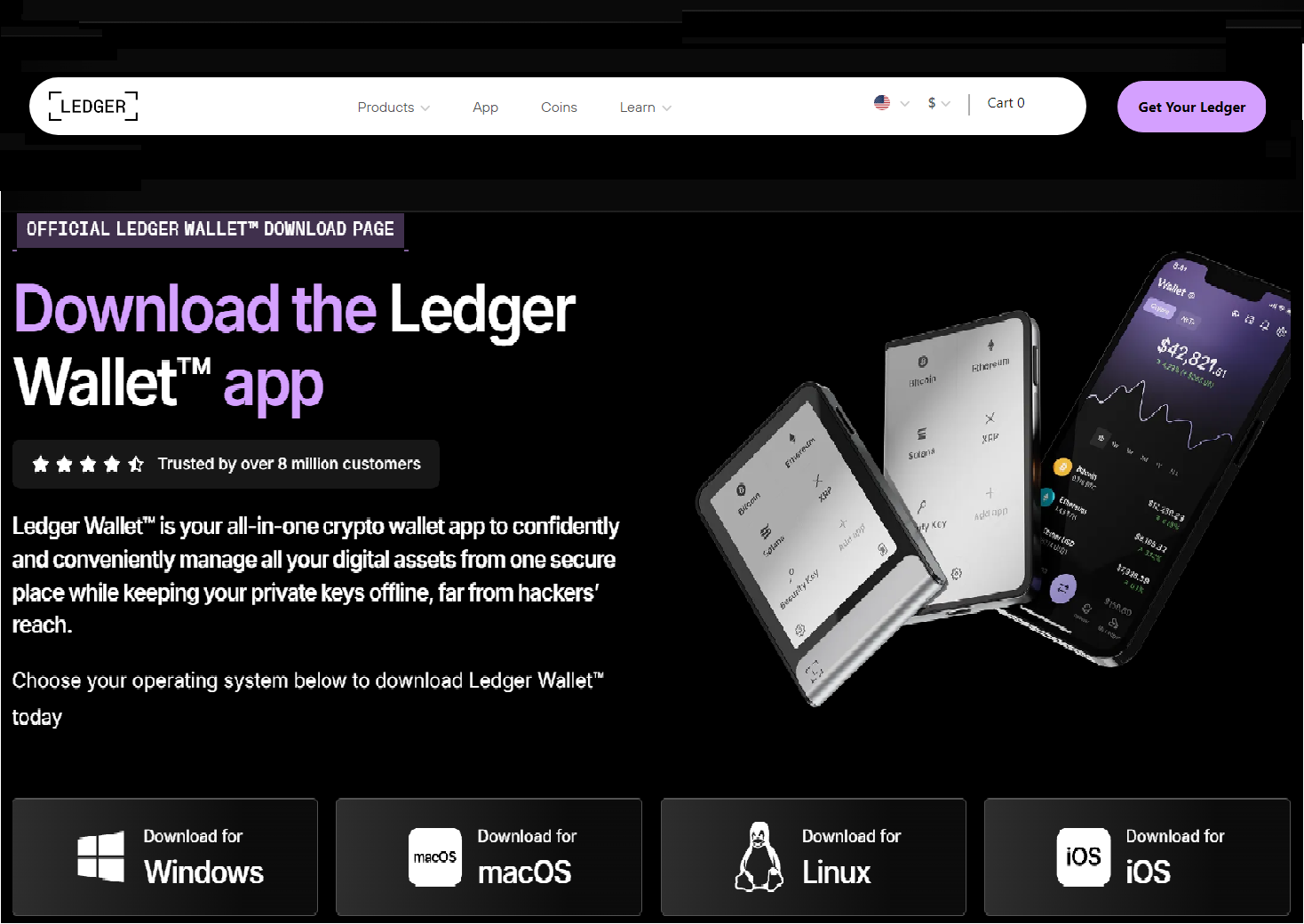
Ledger.com/start: What to Know Before Your First Ledger Wallet Session
Your first session with a hardware wallet can feel unfamiliar because it combines physical hardware with computer-based wallet software. Taking a few minutes to understand the process before beginning can make the experience more organized.
For new users, Ledger.com/start can be a useful starting point for learning about Ledger wallet preparation and the basic practices that support responsible digital-asset management.
Have a Clear Starting Point
Before beginning your wallet setup, identify the official source you intend to use.
Navigate directly to Ledger.com/start instead of depending on links from unknown websites or messages. Wallet-related scams can imitate familiar branding, so checking the website source is an important first step.
Once you have confirmed the legitimate resource, follow the instructions provided there.
Prepare Everything Before You Begin
Gather your Ledger hardware wallet and the required connection equipment.
Use a computer you trust and avoid setting up the wallet on public devices. It is also helpful to close unnecessary applications so you can concentrate on the instructions.
The simpler your setup environment is, the easier it can be to notice anything unexpected.
Learn the Hardware Wallet’s Role
A hardware wallet is different from an ordinary online account.
The physical device is involved in important wallet operations and can be used to authorize supported transactions. Compatible wallet software on your computer provides the interface through which you can view accounts and manage supported assets.
Understanding this division of responsibilities is useful before making your first transfer.
Protect Your Recovery Information From the Start
Recovery information should receive special attention during the initial setup.
Follow the official instructions for creating and storing it, and make sure it remains inaccessible to other people.
Never send your recovery words through email or messaging services. Do not type them into random websites or online forms.
If someone says they need your recovery phrase to activate, synchronize, or repair your wallet, stop and verify the request through official channels.
Explore the Wallet Before Sending Funds
Once the initial setup is complete, take some time to understand the interface.
Look at your account information, learn how transaction history is presented, and become familiar with the general workflow for receiving and sending assets.
Exploring first can help reduce the chance of making an avoidable mistake when you eventually perform a real transaction.
Pay Attention When Receiving
Receiving cryptocurrency may appear simple, but address accuracy still matters.
When generating or copying a receiving address, verify it using the wallet's available confirmation methods. Make sure you are using the intended asset and network when the transaction requires those choices.
For your first transfer, a smaller test amount can be a practical way to become familiar with the process.
Review Before Sending
Outgoing transactions deserve additional attention because blockchain transfers may not be reversible.
Before confirming a transaction, review the recipient, amount, network information where applicable, and fee details.
When the Ledger device displays information for confirmation, read it carefully. If the information does not match your intended transaction, do not approve it until you understand why.
Recognize Suspicious Support Offers
A technical question can quickly turn into a security problem if you accept help from an unknown person.
Be cautious of social media accounts, chat users, or websites claiming to be official Ledger support. Do not give strangers remote access to your computer and never disclose recovery information.
Use official support resources when you need assistance.
Be Careful With Downloads
Only install wallet-related software from sources you can verify.
Avoid third-party applications that promise special wallet features, faster setup, automatic recovery, or emergency account access.
If you need an update, confirm the information through official Ledger resources rather than trusting an unexpected download prompt.
Develop a Simple Pre-Transaction Checklist
Before approving a transaction, make it a habit to pause and review:
- The destination
- The amount
- The selected asset
- Relevant network information
- Applicable transaction fees
- The information displayed on the hardware device
This does not need to take long. The important part is making verification a consistent habit.
Keep Learning Gradually
A hardware wallet can include features you may not need immediately.
Instead of trying to understand everything on your first day, learn according to your actual needs. Become comfortable with basic account management first, then explore additional functions as your experience grows.
This approach keeps the learning process manageable.
Final Thoughts
Ledger.com/start can help new users establish a foundation for their Ledger hardware wallet journey. A successful first session is about more than completing setup screens; it is about learning how the hardware, software, and security practices fit together.
Use official resources, protect recovery information, verify transactions carefully, and treat unexpected support requests or downloads with caution. These simple habits can provide a practical foundation for everyday wallet management.
Updated about 7 hours ago