
Ledger.com/Start® | Getting started®™ — Ledger Support
Ledger.com/start offers setup-focused information for configuring your device, organizing wallet accounts, tracking holdings, and managing transfers.
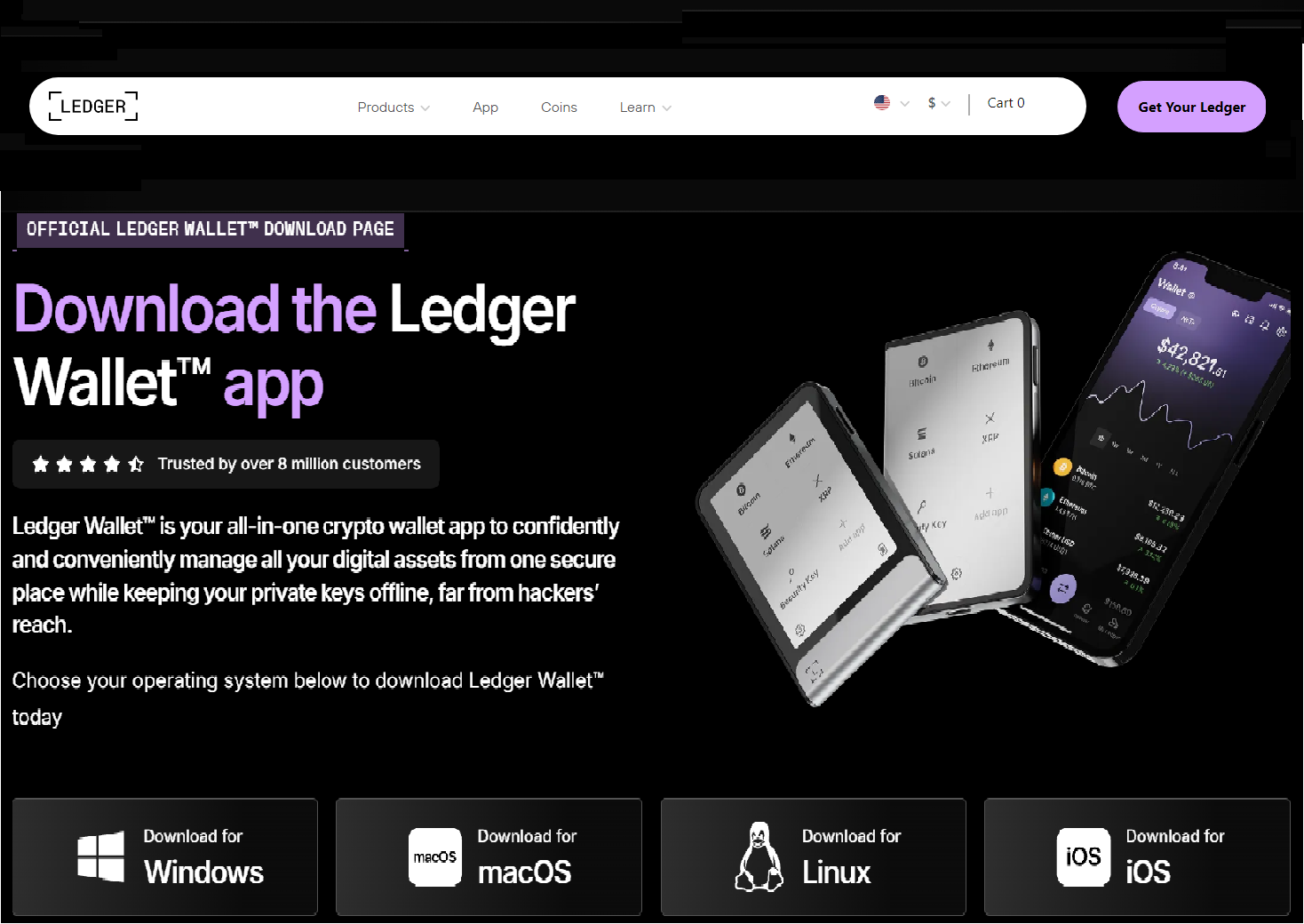
Ledger.com/start: From Initial Setup to Confident Everyday Wallet Management
The transition from setting up a hardware wallet to using it regularly can feel significant for a beginner. Once the initial configuration is complete, the next goal is to create a predictable workflow for checking accounts, receiving assets, preparing transfers, and protecting sensitive information.
Ledger.com/start can be a useful starting point for learning these fundamentals and establishing a consistent approach to wallet management.
Complete the Initial Setup Carefully
Avoid treating setup as a race.
Read each instruction, understand what the device is asking you to do, and use the official Ledger resources for guidance.
If something unexpected appears during the process, pause instead of attempting to work around it.
Keep Your Recovery Details Separate
Recovery information should be stored securely and separately from everyday wallet software.
Do not keep it in an email account, cloud document, screenshot folder, or messaging application.
The purpose of keeping recovery information offline and private is to reduce unnecessary exposure.
Organize Your Wallet Accounts
As you begin using different assets, organization can make your wallet easier to understand.
Know which accounts you have created and which assets they contain. Avoid making unnecessary accounts simply because you are experimenting with the interface.
A clear structure can make it easier to locate information when preparing a transaction.
Establish a Receiving Workflow
Receiving cryptocurrency should follow a consistent process.
Select the correct account and asset, generate or display the receiving address, and carefully verify it before sharing.
For important transfers, take the extra step of confirming the address through the hardware device when that option is available.
Establish a Sending Workflow
Sending should be even more deliberate.
Start by confirming the intended recipient and asset. Check the amount and relevant network information. Then review the transaction details displayed for approval.
Do not approve a transaction merely because it looks familiar.
Understand Fees and Network Activity
Transaction fees can vary depending on the asset and network conditions.
Before confirming a transaction, understand the fee information presented by your wallet software and recognize that network activity can affect processing times.
If you are unsure about a fee or network requirement, research the relevant documentation before continuing.
Watch Transaction History
Your transaction history provides a useful record of wallet activity.
After completing a transaction, review its status and allow the relevant network to process it. If something remains pending, investigate the status rather than immediately assuming something has gone wrong.
Regularly reviewing history can also help you recognize activity you do not remember making.
Keep Your Computer Secure
Wallet security does not depend entirely on the hardware device.
The computer used for wallet management should also be maintained responsibly. Use normal security protections, keep important software updated through trusted sources, and avoid suspicious downloads.
Never give strangers remote control of your computer simply because they claim they can resolve a wallet problem.
Handle Unexpected Messages Carefully
Be skeptical of urgent messages about wallet security.
A message may claim that your wallet is locked, requires verification, or needs an immediate update. Rather than clicking the supplied link, visit official Ledger resources independently and check whether the claim is legitimate.
Urgency should never replace verification.
Review Your Routine Periodically
After using your wallet for a while, review your own process.
Are you checking addresses? Are you reviewing transaction details before confirmation? Are your recovery details stored safely? Do you know where your software came from?
A periodic review can reinforce habits that are easy to overlook over time.
Expand Your Knowledge Gradually
Once the basic workflow becomes familiar, you can explore additional wallet features at your own pace.
Learn about topics that are relevant to how you intend to use your wallet rather than trying to understand every advanced concept immediately.
A strong foundation makes new concepts easier to understand.
Final Thoughts
Ledger.com/start can help users move from the initial hardware wallet setup toward everyday digital-asset management. The process becomes easier when it is built around consistent habits: use trusted resources, organize accounts, verify addresses, review transaction details, protect recovery information, and maintain the computer used with your wallet.
With a careful and gradual approach, beginners can develop a clearer understanding of their wallet and the responsibilities that come with managing digital assets.
Updated about 7 hours ago